A headband, earphones and a monitor, running one medical software.
Everything the care team needs, from pre-op to recovery, in one system.
EEG and auditory sensors
A soft headband with sensors at the front and back of the head, and insert earphones for the tones.
Software as a medical device
Reads the signals, checks their quality, and turns them into depth, connectivity and recovery status.
Bedside monitor
A portrait tablet-style screen that shows one clear brain status for the whole care team.
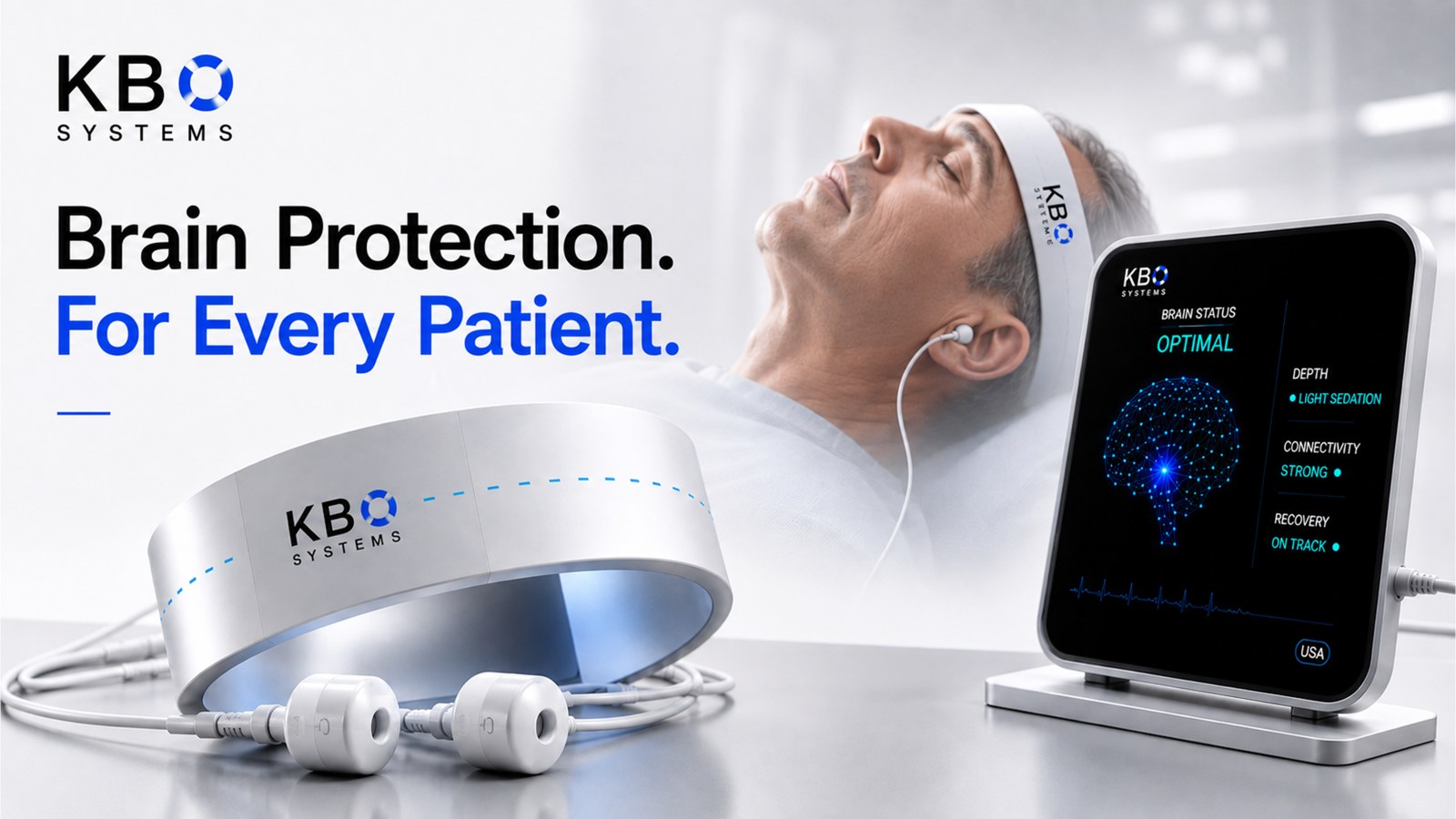
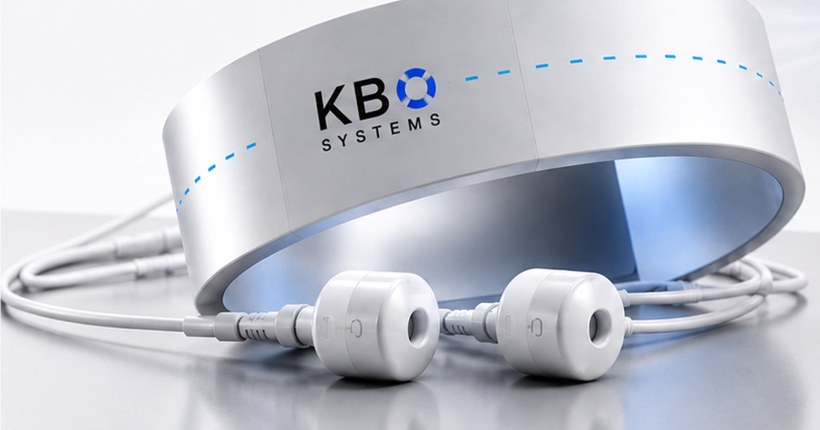
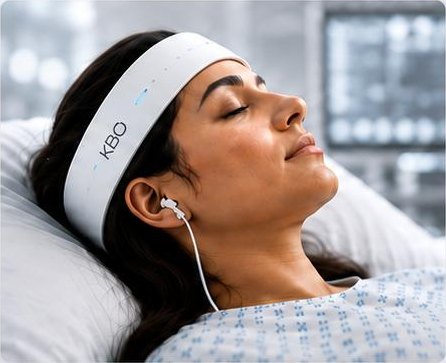
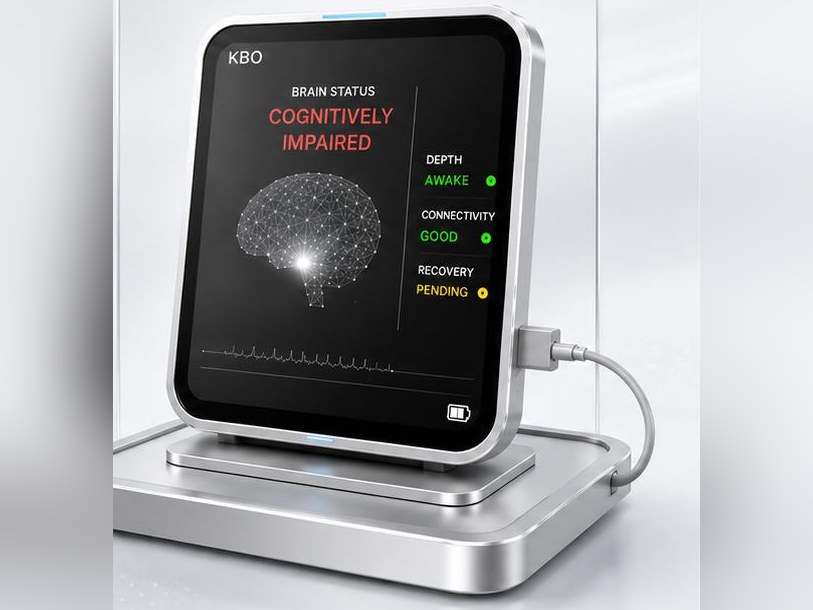
Product renderings. Investigational device, not cleared by FDA.
One clear picture for the whole care team.
Anesthesiologists
See depth, flag higher-risk patients before surgery, and know when a dose may need to change.
Hospitals
One record from pre-op to recovery, designed to support safer care and fewer surprises after surgery.
Patients and families
A step toward protecting how the brain comes back, not only how the body does.
Built to read more of the brain, for more of the journey.
| Today's depth monitors | KBO | |
|---|---|---|
| What it reads | A single index from a few forehead sensors | EEG from the front and back of the head, plus the brain's response to tones |
| Reference point | Population averages | The patient's own pre-op baseline |
| When it is used | Mostly during surgery | Pre-op, operating room and recovery as one record |
| Signal quality | Often shown as a number only | Flags low confidence instead of guessing |
| After surgery | Not designed for recovery | Designed to support delirium risk assessment |
One headband that grows with the evidence.
Depth of anesthesia
A headband with sensors around the head, on the 510(k) pathway.
Smarter analysis
Adds AI-assisted analysis of the brain's signals.
Evoked response
Adds the earphones and tones for cognitive and recovery insight. Read the science